Tachograph compliance is not optional — it's a legal requirement across all EU member states for commercial vehicles above 3.5 tonnes. Yet, many fleet operators still struggle with the complexity of the rules. This guide breaks down what matters most in 2024.
Core Regulation: EC 561/2006
The backbone of EU tachograph law is Regulation (EC) No 561/2006, which governs driving times, breaks, and rest periods for professional drivers. Key limits include:
- Daily driving time: Maximum 9 hours (extendable to 10 hours twice per week)
- Weekly driving time: Maximum 56 hours
- Fortnightly driving time: Maximum 90 hours over any two consecutive weeks
- Daily rest: Minimum 11 consecutive hours (reducible to 9 hours up to three times per week)
- Weekly rest: Minimum 45 hours (reducible to 24 hours once per fortnight)
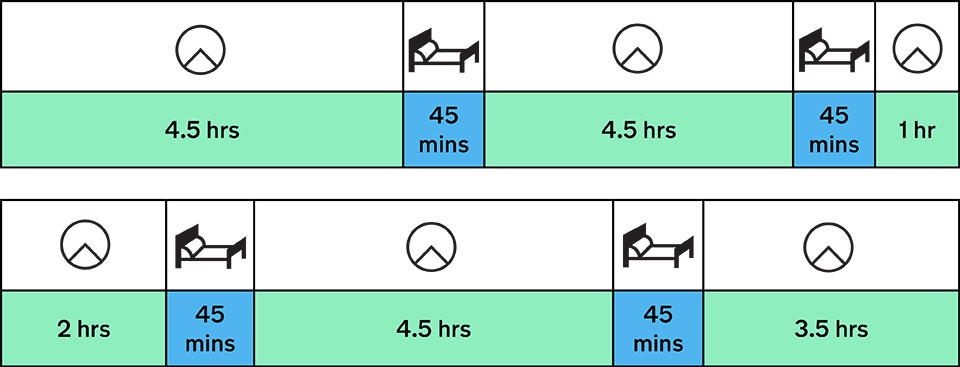
- Breaks: At least 45 minutes after 4.5 hours of driving
The Four Infringement Categories
EU enforcement authorities classify tachograph violations into four severity levels:
- Minor (MI) — Small deviations with little practical impact on safety
- Serious (S1/S2) — Violations that pose a real safety risk
- Very Serious (VS1/VS2) — Substantial violations warranting vehicle immobilisation
- Most Serious (MS) — Systemic non-compliance; can result in licence suspension
TachoCard automatically classifies every detected infringement according to these categories, giving you an instant prioritized view of your fleet's risk exposure.
Smart Tachograph Requirements
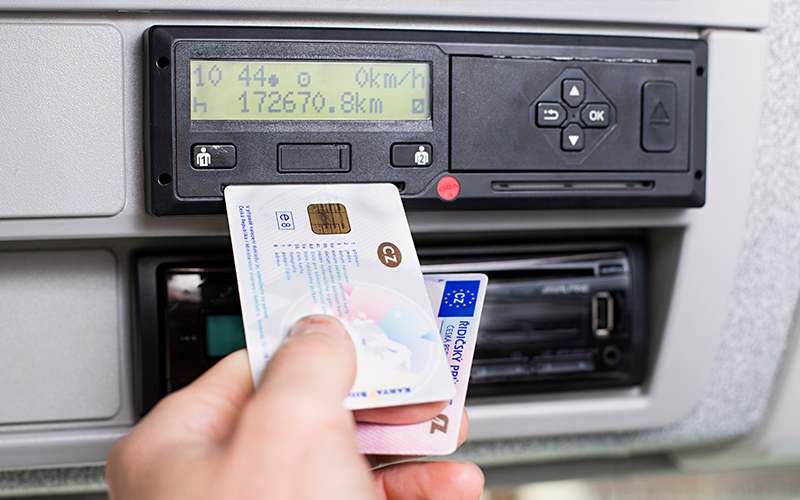
Since 2019, new vehicles must be fitted with smart tachographs (Generation 2). From 2023, smart tachographs must also support remote early detection by enforcement authorities — meaning data can be read without the vehicle stopping.
Key differences from older digital tachographs:
- GNSS positioning recorded every 3 hours while driving
- Automated recording of border crossings
- Communication interface for remote enforcement checks
Calibration and Card Validity
Tachograph units must be calibrated every 2 years (or after any odometer replacement or modification). Driver and company cards expire after 5 years and must be renewed before expiry.
TachoCard tracks calibration deadlines and card expiry dates, sending automated alerts before any deadline so you're never caught off-guard.
What This Means for Your Fleet
Keeping up with EU tachograph regulations manually — across dozens or hundreds of drivers — is practically impossible without software support. The consequences of non-compliance are serious:
- Fines up to €10,000 per infringement in some member states
- Vehicle immobilisation
- Operating licence suspension
- Reputational damage to your business
With TachoCard, each of these risks is mitigated through automated analysis, real-time alerts, and comprehensive audit-ready reports.
Ready to simplify your tachograph compliance? Get started with TachoCard for free.